You bought a patio set. It looked perfect online. Then it arrived—wobbly, plasticky, and utterly out of place beside your herb garden. Now you’re stuck with something that screams “temporary” instead of “timeless.” The fix? Stop chasing mass-market sets. Start building or selecting patio dining garden benche can wooden pieces designed for real life—not showroom floors.
Why Most Patio Benches Fail Within Two Seasons
Most outdoor benches are engineered for price tags, not patios. They use finger-jointed softwood wrapped in a veneer of “weather-resistant” finish that peels faster than sunburnt skin.
And moisture? It sneaks in through unsealed end grains, sits in hidden joints, and rots the frame from the inside out. You won’t notice—until one guest leans back… and crashes through.
Here’s the reality: aesthetics without structural integrity is just expensive decor. And your patio deserves better.
How to Build or Buy a Lasting Wooden Garden Bench for Dining
Whether you’re crafting from scratch or curating a ready-made piece, these steps guarantee decades—not seasons—of service.
Selecting the Right Wood Species
Not all wood plays nice with rain, UV rays, or temperature swings. Teak and white oak are gold standards—but expensive. Black locust? Underrated. Naturally rot-resistant, dense as iron, and half the cost if you source locally. Skip pine unless it’s fully kiln-dried and pressure-treated (and even then, tread carefully).
Design Geometry That Prevents Sagging
A flat seat between two legs? Recipe for disaster. Real dining benches need triangulated bracing or a subtle camber (a slight upward curve) that counters gravity over time. Think of it like suspension—your bench should flex, not fold.
Finish Strategy Over Finish Type
Oils penetrate. Paint films. But neither matters if you don’t prep right. Sand to 120 grit minimum. Remove all mill glaze. Apply finish in dry, shaded conditions—never direct sun. Reapply annually on horizontal surfaces. Miss this rhythm, and you invite graying, checking, and eventual decay.
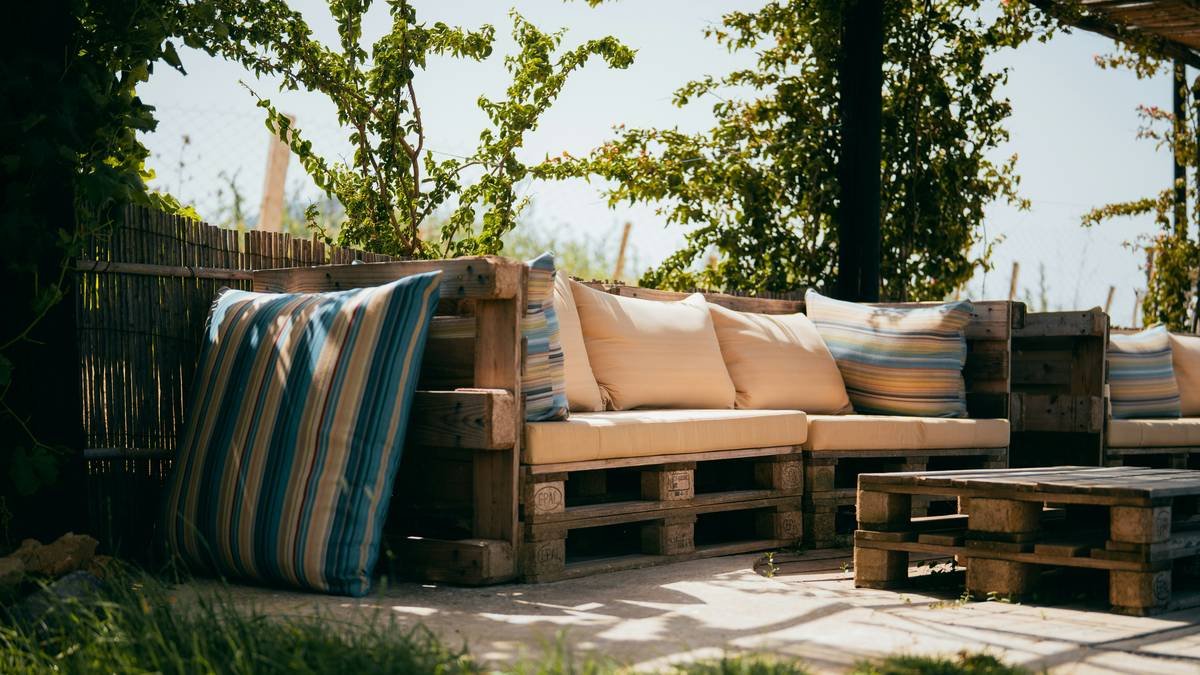
| Approach | Upfront Cost | Lifespan (Years) | Maintenance Frequency |
|---|---|---|---|
| DIY with Black Locust | $180–$300 | 15–25 | Once per year (oil) |
| Ready-Made Teak Bench | $800–$1,500 | 20–30+ | Optional (silvering is natural) |
| Budget Pine Bench (Big Box) | $99–$179 | 2–4 | Every 6 months (or it fails) |
The Industry Secret: Hidden Drainage Channels
Top outdoor furniture makers—especially those supplying high-end resorts—machine shallow drainage grooves underneath seat slats. These are invisible from above but let water escape instead of pooling. No standing water = no rot pockets. You won’t find this spec in catalogs. It’s a shop-floor trick passed down by master builders. If you’re commissioning a bench, demand it. If you’re DIYing, route a 1/8-inch channel along the underside of each slat. It adds five minutes per piece—and ten years to its life.
FAQ
Can I leave a wooden garden bench outside year-round?
Yes—if it’s made from rot-resistant hardwood (teak, white oak, black locust) and properly finished. Never leave untreated softwood outdoors uncovered.
How wide should a patio dining bench be?
Aim for 16–18 inches deep. Narrower feels cramped; wider interferes with table access. Seat height should match your dining table’s chair height—usually 17–19 inches.
Does “patio dining garden benche can wooden” require assembly?
The phrase describes style, not a product. Custom or high-quality benches often ship flat-packed for stability during transit—simple bolt-together assembly takes under 30 minutes.