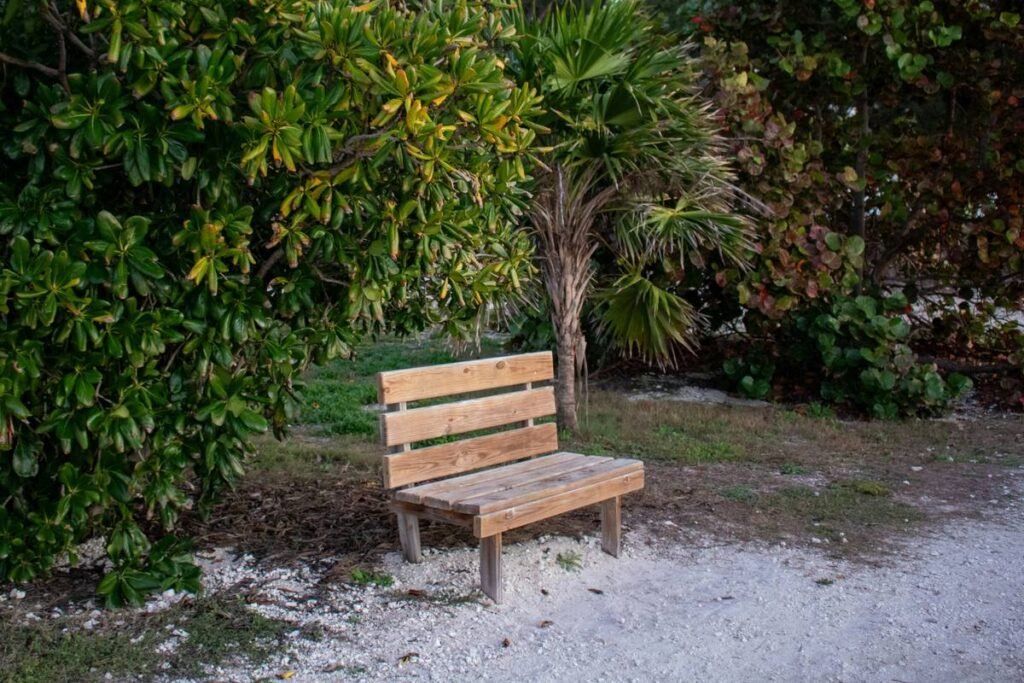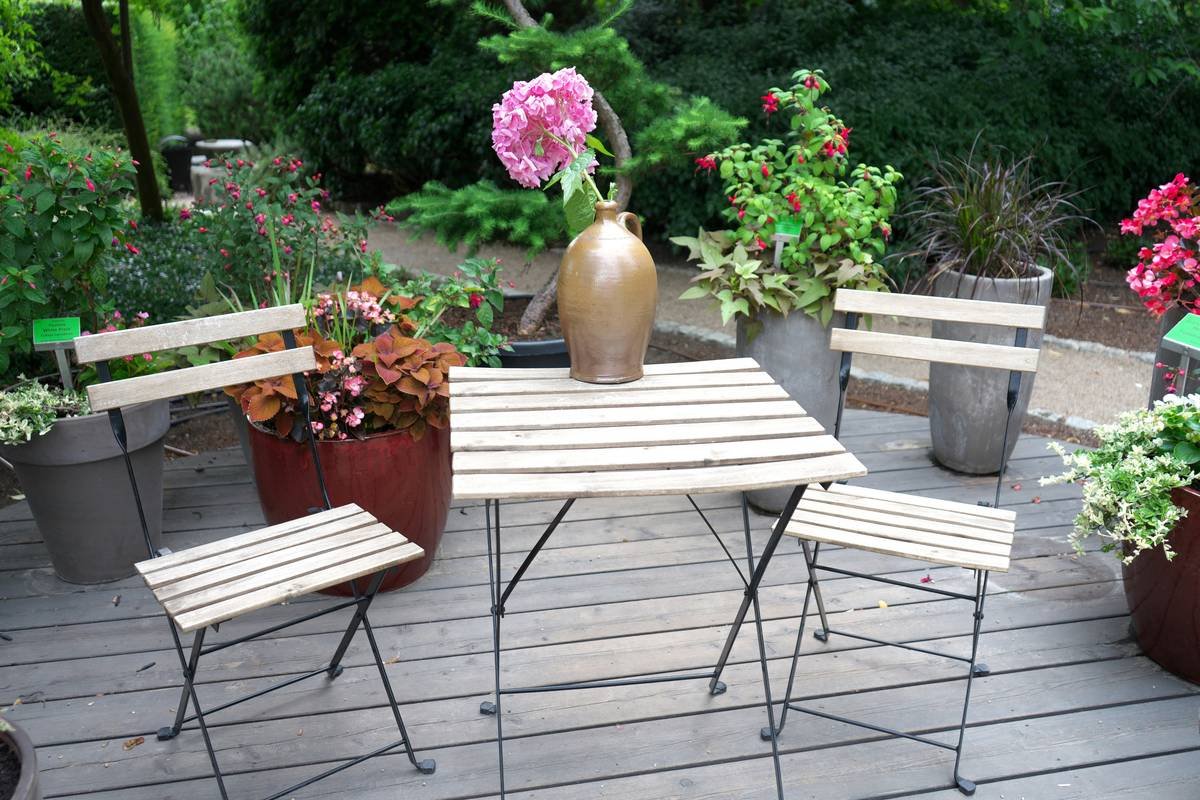
You bought a “stylish” garden bench. It looked great in photos. Then reality hit: no storage, zero workspace, and it collects rain like a kiddie pool. Now it’s just expensive yard clutter. The solution? A garden work bench—functional, durable, and built for real gardening tasks. Not Pinterest fluff.
Why Most Garden Benches Fail as Work Surfaces
They’re designed for sitting—not sawing, potting, or organizing tools. Thin slats warp. No overhang for clamping. Zero drainage. You end up dragging a plastic tray onto your lap just to repot a fern. And if it’s made of cheap pine? Good luck surviving one Midwest winter.
Here’s the reality: aesthetics without utility = wasted square footage. Your outdoor space deserves better.
garden work bench ideas: Build or Buy Smart
Forget generic plans. Focus on workflow, material resilience, and modularity. Below are three proven approaches—ranked by ROI, not just looks.
| Approach | Best For | Avg. Cost | Lifespan (Years) | Key Feature |
|---|---|---|---|---|
| Repurposed Kitchen Cabinet Base + Teak Top | Urban gardens, small yards | $180–$300 | 8–12 | Built-in drawers + waterproof surface |
| Modular Metal Frame with Slatted IPE Decking | Heavy-duty use, humid climates | $400–$650 | 15+ | Rust-proof + replaceable slats |
| Pre-fab Outdoor Workbench (e.g., Lifetime or Keter) | Quick setup, renters | $120–$220 | 5–7 | All-weather resin + tool hooks |
Add Drainage Channels—Not Just Holes
Drill 3/8” holes and water still pools. Instead, route shallow grooves along the front edge with a router. Gravity does the rest. This tiny tweak prevents root rot in seed trays and keeps your soil mix from turning into mud soup.
Mount a Fold-Down Clamp Rail
Serious pruning or trellis building demands stability. Install a 12” hardwood rail underneath one side—hinged so it flips down when needed. Tuck it up when not in use. Instant vise action without sacrificing legroom.
Go Asymmetrical
Split your surface: 60% flat workspace, 40% open shelving below. Store terra cotta pots, gloves, and coiled hoses within arm’s reach. Symmetry looks pretty—but asymmetry works smarter.
The Industry Secret: Your Bench Should Age Like Leather
Most “outdoor” wood benches are finished with film-forming sealers that peel, crack, and trap moisture underneath. Big mistake. The pros use penetrating oil finishes only—like raw linseed or tung oil. They don’t sit on top; they sink in, allowing wood to breathe while repelling water. Reapply once a year. The patina deepens. Grain pops. And it never blisters.
Think about it: teak furniture left unfinished lasts decades. Why coat yours in plastic-like polyurethane?
Frequently Asked Questions
What’s the best height for a garden work bench?
30–34 inches—same as kitchen counters. Lets you work standing without hunching. Add 2” if you’re over 6’ tall.
Can I use pressure-treated lumber for a workbench?
Yes, but avoid direct contact with edible plants. Use it for frames or legs—not tabletops where soil sits.
How do I stop my bench from moving on grass?
Attach paving stones or rubber feet to legs. Or embed 4×4 piers in gravel—permanent but invisible.