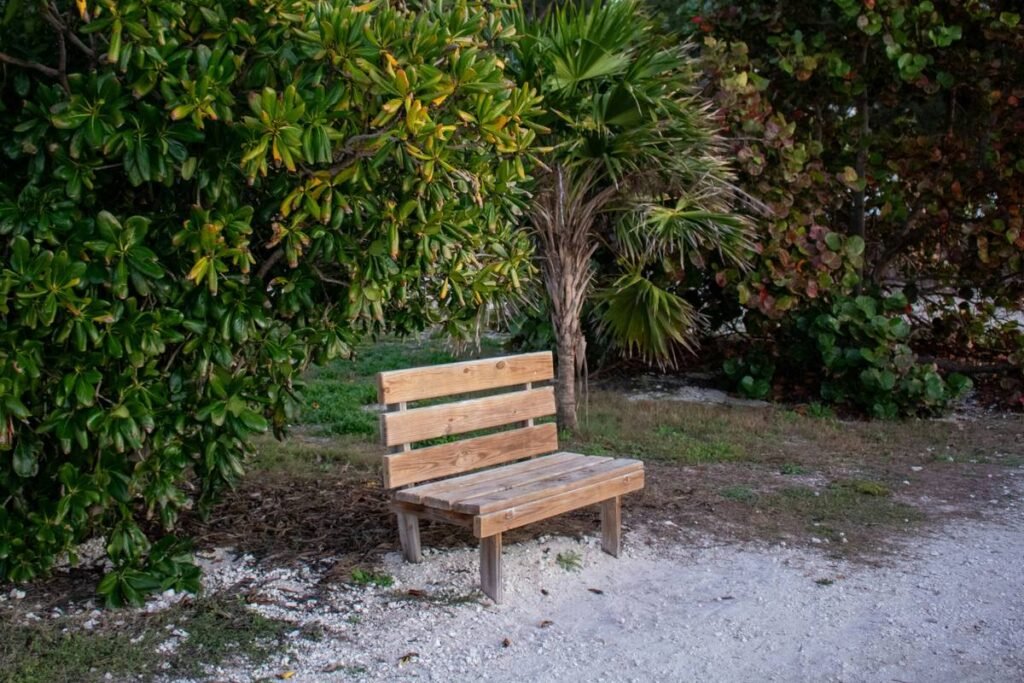
You bought what looked like a sturdy outdoor wooden garden bench. Rain came. Sun baked it. Now it’s cracked, warped, or worse—rotting at the legs. You’re not lazy. You’re not careless. You were just sold junk dressed as craftsmanship. The fix isn’t buying another cheap bench—it’s understanding why wood fails outside and how to choose (or build) one that lasts.
Most Outdoor Wooden Garden Benches Aren’t Built for Weather—They’re Built for Showrooms
Manufacturers optimize for Instagram aesthetics, not monsoons. They use fast-grown softwoods like pine or unseasoned eucalyptus—species that swell, split, and invite fungus the moment dew hits. And those “protective” finishes? Often just thin varnishes that peel after one summer. Think about it: if the supplier won’t warranty it beyond 12 months, they already know it won’t survive year two.
Here’s the reality: wood moves. Constantly. Humidity swells it. Dryness shrinks it. If joinery doesn’t account for that movement—if screws are driven tight without room to flex—the structure self-destructs. Fast.
How to Choose or Build an Outdoor Wooden Garden Bench That Actually Lasts
The right approach combines species selection, smart joinery, and minimal-but-effective maintenance. Forget “maintenance-free”—real wood demands respect, not neglect.
Selecting the Right Wood Species Matters More Than Finish
Teak, white oak, and black locust aren’t expensive because of branding—they contain natural oils and tannins that repel water and resist decay. Cedar works too, but avoid pressure-treated lumber unless you’re okay with chemicals leaching into your soil. And never, ever use interior-grade hardwoods like birch or poplar. They’ll delaminate faster than you can say “patio season.”
Joinery Over Screws: Let the Wood Breathe
Use mortise-and-tenon or loose-tenon joints with stainless steel or bronze fasteners—not drywall screws. Pre-drill all holes. Leave 1/8” expansion gaps between slats. This isn’t overkill; it’s physics. Wood expands across the grain, not along it. Ignore that, and you get cupping.
Maintenance Isn’t Optional—But It’s Simpler Than You Think
Wash annually with mild soap and water. Reapply a penetrating oil (like tung or linseed) every 18–24 months—only when water stops beading on the surface. Skip the paint. Skip the polyurethane. Those trap moisture underneath and accelerate rot.
| Wood Type | Expected Lifespan (Uncovered) | Maintenance Frequency | Upfront Cost (Relative) |
|---|---|---|---|
| Pine (untreated) | 1–2 years | Every 6 months | $ |
| Cedar | 5–8 years | Every 18–24 months | $$ |
| White Oak | 10–15 years | Every 2–3 years | $$$ |
| Teak | 20+ years | Optional (for color retention) | $$$$ |

The Industry Secret: Orientation Determines Longevity More Than Wood Type
Most buyers obsess over species—but pros know orientation is king. A white oak bench facing north in Seattle will outlast a teak one bolted against a sun-baked south wall in Phoenix. Why? Because UV radiation breaks down lignin (the glue holding wood fibers together), and constant wet-dry cycles encourage mold. Place your bench under partial cover—ideally with morning sun and afternoon shade. Elevate it at least 2 inches off the ground using rot-resistant feet or stone pads. One contractor I spoke with in Portland retrofits 80% of his bench installs with hidden galvanized stands. “The legs always go first,” he says. “Keep them dry, and the rest follows.”
Frequently Asked Questions
Can I leave my outdoor wooden garden bench out all winter?
Yes—if it’s made from rot-resistant wood and elevated off wet ground. Cover it with a breathable fabric (not plastic) if snow load is heavy.
How often should I oil my garden bench?
Only when water no longer beads on the surface. Over-oiling traps dirt and creates a sticky film. Once every 2 years is typical in most climates.
Are composite benches better than wooden ones?
For zero maintenance, yes. For beauty, comfort, and environmental impact? No. Real wood ages gracefully; composites chalk, fade, and feel plastic under bare legs.