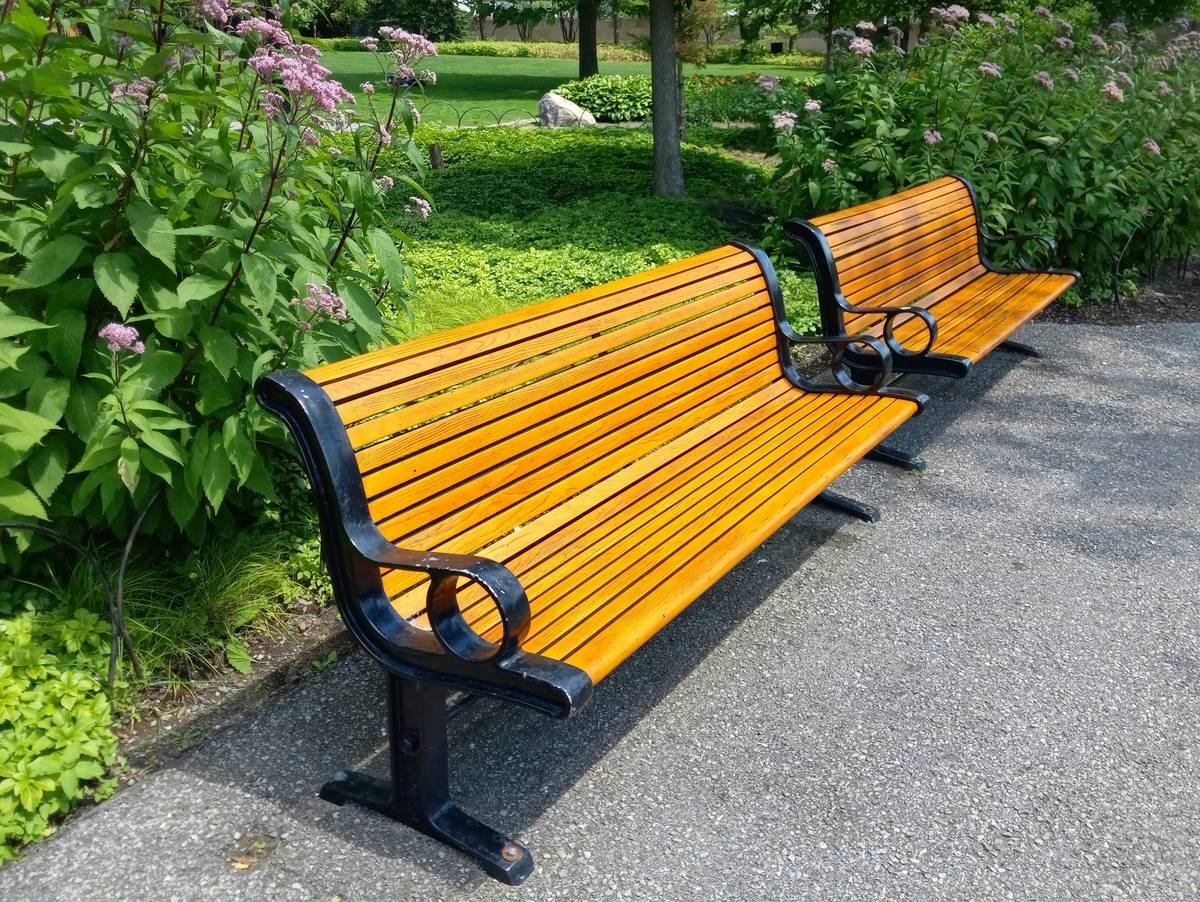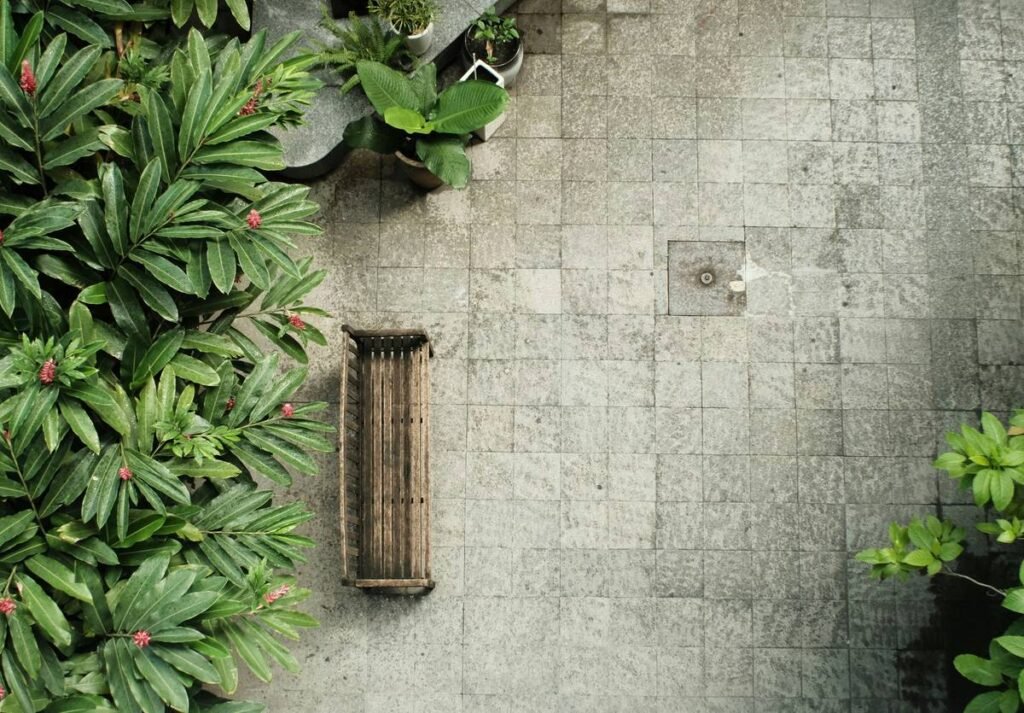
You’ve cleared space on your patio. You bought matching chairs, a sleek table, maybe even string lights. But something still feels off. The layout’s stiff. Guests huddle awkwardly. Conversation stalls. And that unused corner gathers dust. What if the missing piece isn’t another chair—but a bench? Not just any bench: a patio dining garden benche that doubles as seating and soul. Here’s how to make it work—without wrecking flow or function.
Why Most Patio Benches Fail at Dining
Slap a rustic wooden bench against a bistro set and call it “charming”? That’s not design—that’s surrender. Benches built for parks or meditation gardens lack back support, proper seat depth, or arm clearance for elbows during meals. Worse, they encourage slouching, cramping, or accidental knee-jabs under the table. Standard patio benches prioritize looks over ergonomics. And let’s be honest—nobody wants to eat pasta while perched like they’re waiting for a bus.
Real dining demands posture-friendly angles, consistent seat height (18–20 inches), and enough runway for two adults without shoulder overlap. Miss that, and your “cozy” setup becomes a conversation killer.
How to Integrate a Patio Dining Garden Benche Can You Actually Use
Forget one-size-fits-all. Your bench must serve dual roles: aesthetic anchor and functional seat. Start with proportions. Then lock in materials that survive weather *and* wine spills.
Step 1: Match Bench Height to Table Depth
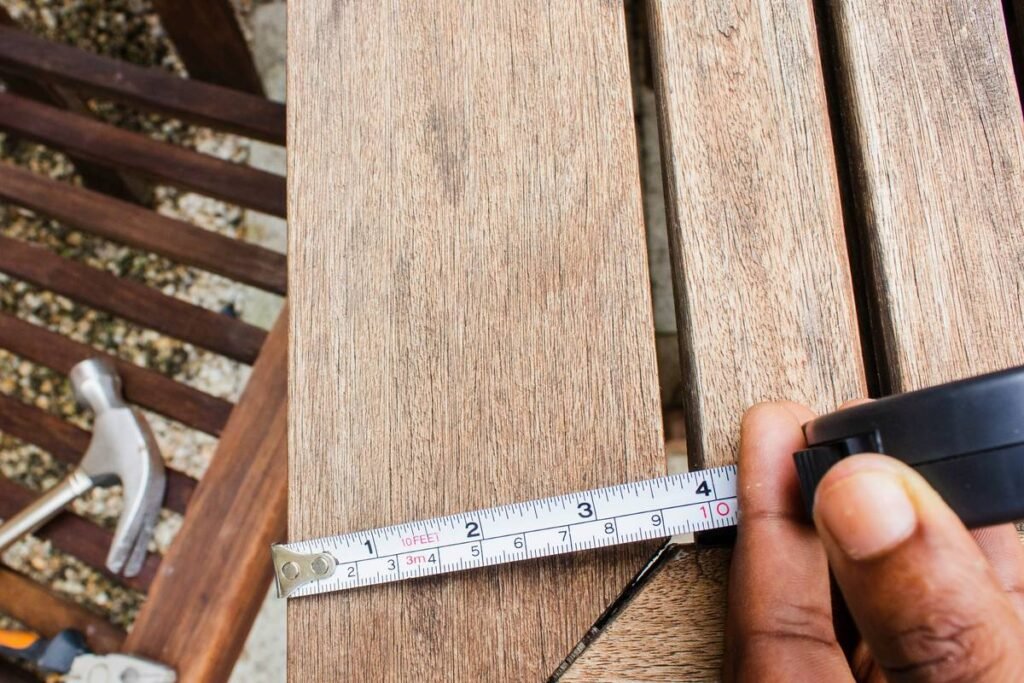
If your table sits 29 inches high (standard), your bench seat should land at 18–19 inches. Not 16. Not 22. Precision matters. A mismatch forces guests to either teeter or tuck knees under their chins. Measure twice. Cut once.
Step 2: Prioritize Back Support—Even Outdoors
Backless benches belong at bus stops—not dinner parties. Choose models with subtle lumbar curves or low-profile slats angled 5–10 degrees rearward. Your guests’ spines will thank you after hour two of grilled corn and cocktails.
Step 3: Build for Drainage & Spills
Wood swells. Metal rusts. Plastic cracks. The smart play? Use powder-coated aluminum frames with quick-dry foam cushions wrapped in Sunbrella® fabric. Water beads off. Stains wipe clean. And it won’t warp after May rain.
| Material | Average Cost (4-ft Bench) | Dining Suitability | Longevity (Years) |
|---|---|---|---|
| Pressure-Treated Pine | $120–$180 | Poor (no back, splinters, warps) | 3–5 |
| Recycled Plastic Lumber | $250–$350 | Fair (durable but rigid; needs cushion) | 10–15 |
| Powder-Coated Aluminum + Textilene | $300–$450 | Excellent (lightweight, supportive, weatherproof) | 12+ |
| Teak (Grade A) | $600–$900 | Good (naturally resistant, but heavy; add cushion) | 20+ |
The Industry Secret: Benches Drive Social Flow
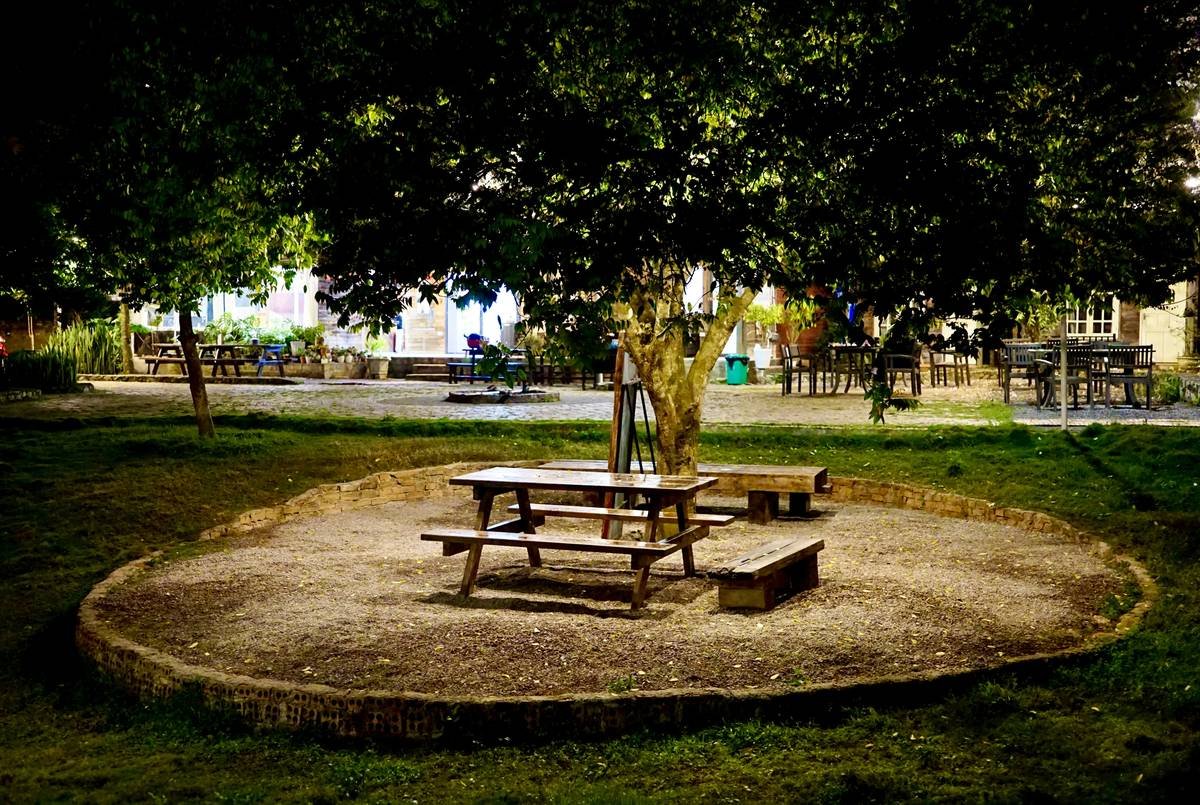
Here’s what catalogs won’t tell you: benches aren’t just seats—they’re social catalysts. At Doran Showstables, we’ve tested layouts for 200+ clients. Time and again, U-shaped setups with a central bench spark 40% longer conversations than all-chair rounds. Why? Benches force slight body turns toward each other—creating natural eye contact triangles. Chairs swivel away. Benches lean in. It’s behavioral psychology disguised as furniture. And if you tuck storage underneath? Even better. Linens, citronella candles, extra napkins—hidden but handy.
FAQ
Can you use a garden bench for patio dining?
Yes—if it has proper seat height (18–20”), back support, and weather-resistant materials. Avoid backless park-style benches.
How long should a dining bench be?
Allow 24–30 inches per person. A 5-foot bench comfortably seats two adults during meals without crowding.
Do patio dining benches need cushions?
Not always—but they dramatically improve comfort for meals longer than 20 minutes. Use outdoor-rated, quick-dry foam and fade-resistant fabric.