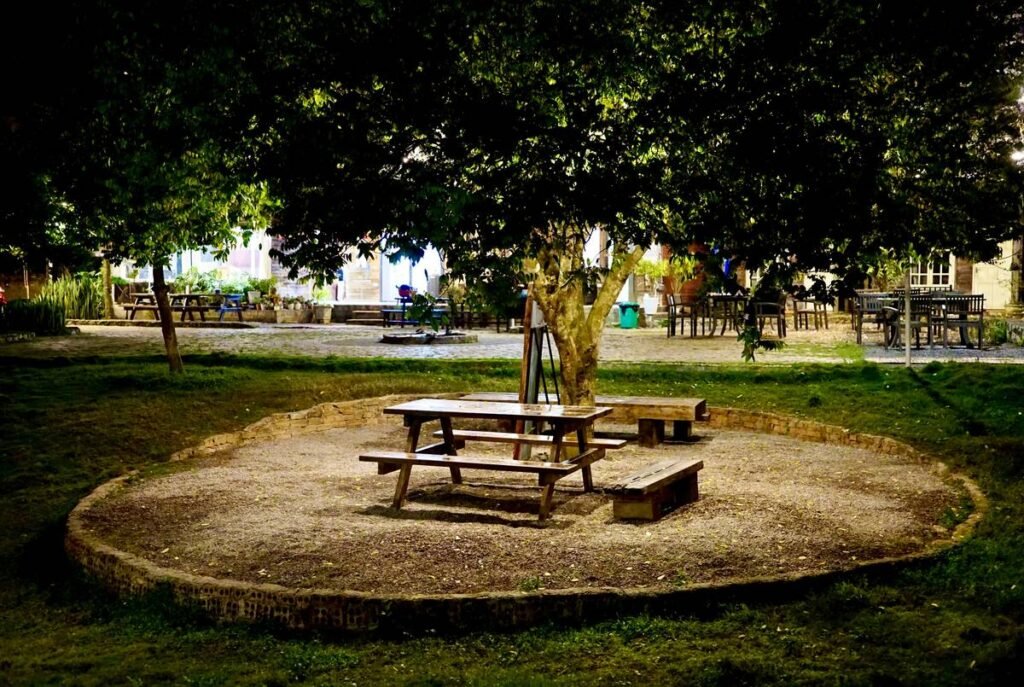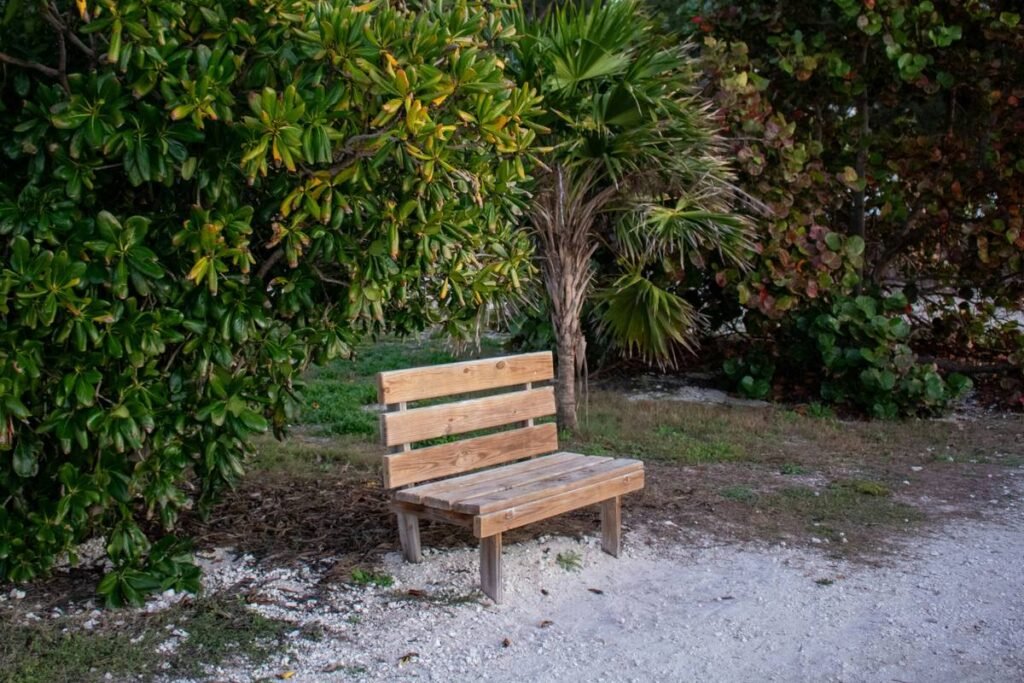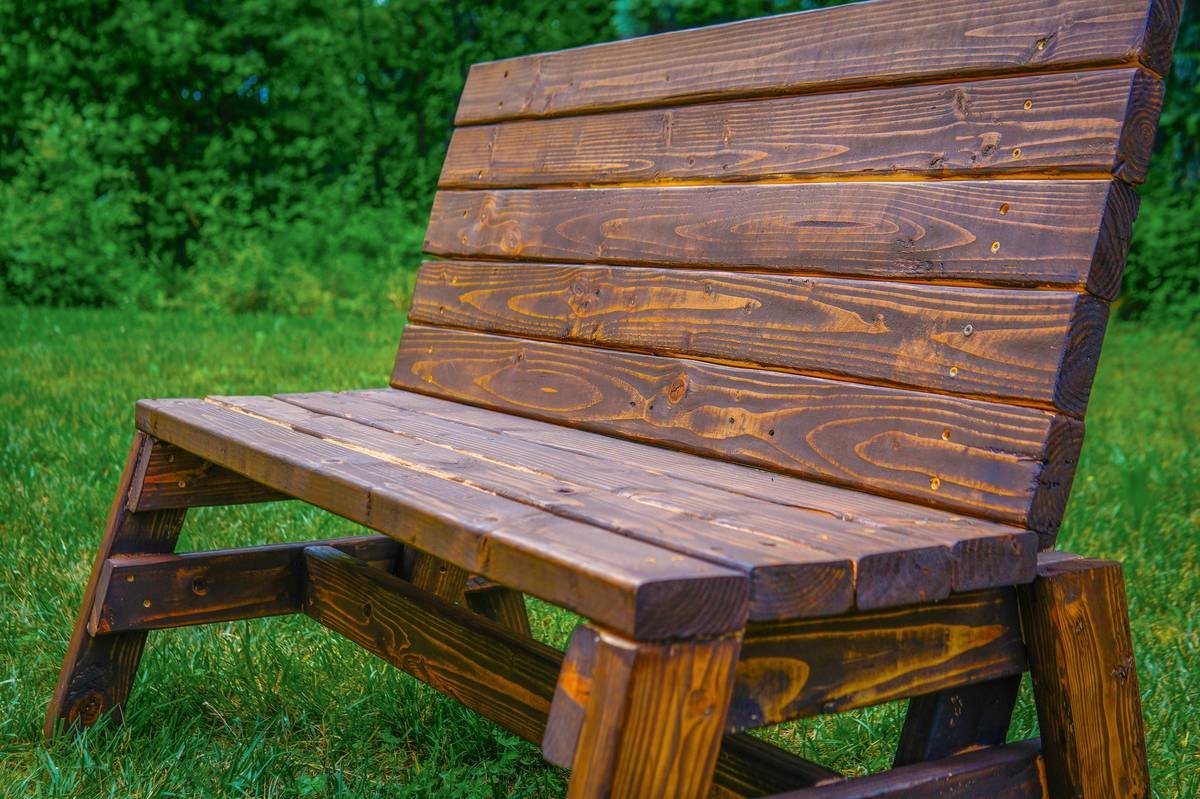
Your backyard feels empty—like a room missing its centerpiece. You’ve tried cheap resin chairs, flimsy metal stools, even repurposed indoor seating. They crack, rust, or just look out of place. Worse, they vanish into the background instead of elevating your space. The fix? decorative garden benches outdoor that blend artistry with endurance.
Why Most Outdoor Benches Fail Within 18 Months
Most homeowners buy based on looks alone. Big mistake. A bench sitting in full sun, rain, and freeze-thaw cycles isn’t furniture—it’s infrastructure. And 90% of mass-market “outdoor” benches use thin-gauge steel, particleboard cores, or UV-unstable polymers. They warp by August. Paint peels by October. By spring, you’re shopping again. It’s a waste of time—and money.
Here’s the reality: durability isn’t optional. It’s the baseline. Aesthetics ride on top of it.
How to Choose & Place decorative garden benches outdoor That Endure
Forget impulse buys. Build your decision around three pillars: material integrity, climate alignment, and intentional placement. Skip one, and you’ll regret it.
Match Material to Microclimate—Not Just Zip Code
Your patio might get afternoon sun while your side yard stays damp. Cedar handles moisture better than iron. Powder-coated aluminum laughs at salt air—but looks sterile in a cottage garden. Know your microzones before you shop.
Avoid the “Centerpiece Trap”
Placing a bench dead-center screams “catalog photo,” not lived-in charm. Anchor it against a wall, under a tree, or at the end of a path. Give it purpose—like a quiet spot for coffee or birdwatching—not just symmetry.
Pre-Assemble Stress Testing
If buying online, check weight capacity AND joint construction. Many “solid wood” benches use butt joints glued with PVA—fine indoors, disastrous outdoors. Look for mortise-and-tenon or stainless steel hardware. No exceptions.
| Material | Upfront Cost | Lifespan (Years) | Best For | Maintenance Required |
|---|---|---|---|---|
| Teak (FSC-certified) | $$$$ | 20+ | Sunny, dry climates; high-end patios | None (patina develops naturally) |
| Recycled HDPE Plastic | $$ | 15+ | Coastal areas, kids/pets, zero upkeep | Rinse annually |
| Cast Aluminum | $$$ | 10–15 | Traditional gardens; intricate designs | Touch-up chips; tighten bolts yearly |
| Pressure-Treated Pine | $ | 5–7 | Temporary setups; budget-first projects | Seal every 18 months |
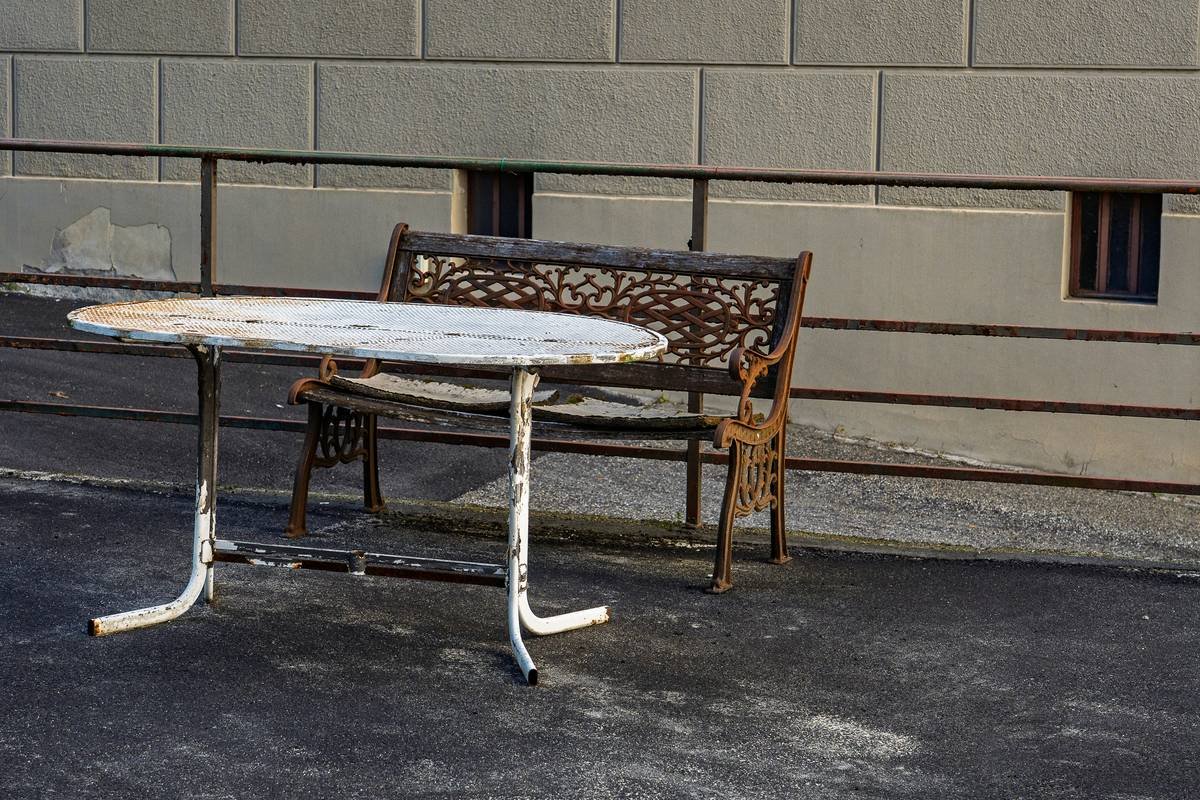
The Industry Secret: Benches Are Conversation Starters—Not Just Seating
Top landscape designers don’t place benches where people “should” sit. They place them where stories happen. Near the herb garden so you smell rosemary when you pause. Facing west to catch sunset light. Beside a birdbath where finches gather at dawn. A bench becomes memorable not because of its finish, but because of the moments it frames. One client installed a curved teak bench facing a cracked old birch tree. Now, guests always say, “Let’s sit by the lightning scar.” That’s design with soul—something no AI-rendered mood board can replicate.
Frequently Asked Questions
Are decorative garden benches outdoor weatherproof?
Depends on material. Teak, marine-grade aluminum, and recycled plastic are fully weather-resistant. Wood composites and painted steel need seasonal maintenance to last.
How much should I spend on a quality outdoor bench?
Aim for $300–$800. Below $200 rarely survives two full seasons without significant wear—especially in humid or snowy regions.
Can I leave my bench outside all winter?
Yes—if it’s made from non-porous, non-corrosive materials. Store cushions separately. Covering helps, but airflow matters more than full enclosure to prevent mold.